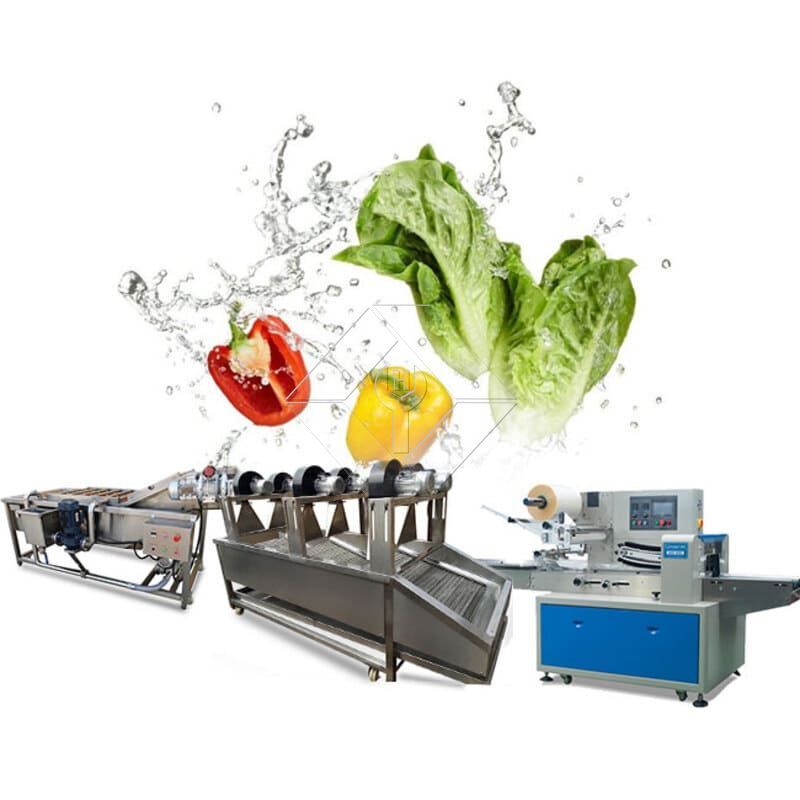
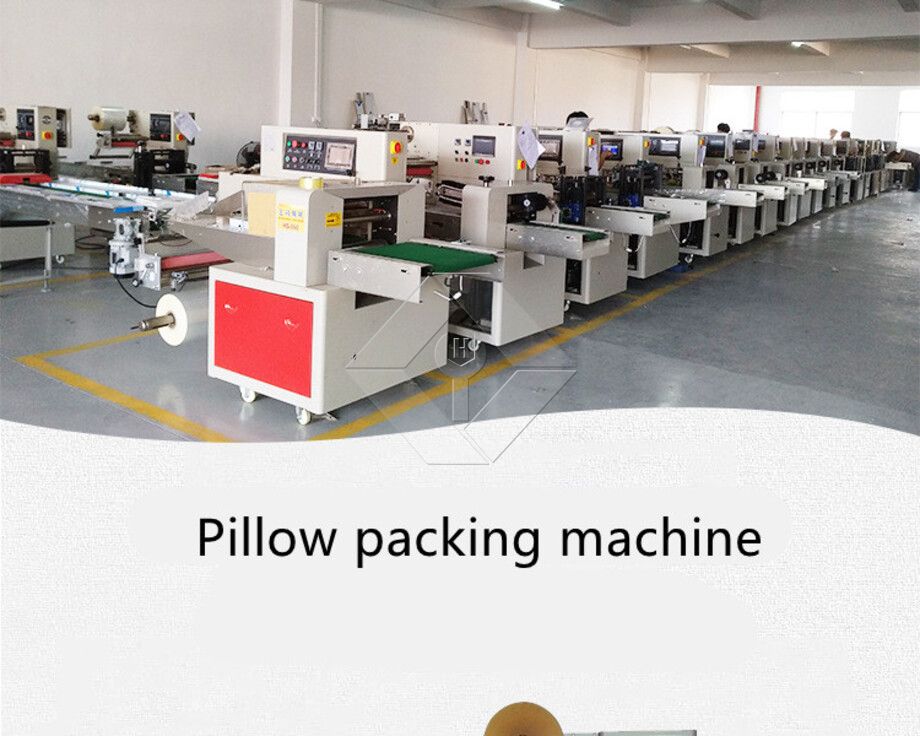
As a versatile core equipment for salad packaging, the pillow packaging machine is capable of both bagging and boxing vegetable salads. It supports flexible customization of packaging size (from small single-serve bags to large family-style packages) and weight (ranging from 50g to 500g or more) based on user demands. The machine adopts automatic film feeding, sealing, and cutting technology, ensuring neat, tight packaging that effectively locks in freshness. It is suitable for small and medium-sized processing plants or retail suppliers, with stable operation and high packaging efficiency to meet daily production needs.
Home-
Products-
Vegetable/Fruit/Meat Pre-Processing Line-
Washing Machines-
Vegetable Salad & Lettuce Processing Line
Vegetable Salad & Lettuce Processing Line
The automatic vegetable salad production line is designed for the deep processing of various types of fruits and vegetables. The main functions of this clean fresh vegetables processing line include automatic cutting, washing, air-drying, and packaging.
Product Description
The automatic vegetable salad production line is designed for the deep processing of various types of fruits and vegetables. The main functions of this clean fresh vegetables processing line include automatic cutting, washing, air-drying, and packaging. Currently, this commercial salad vegetable processing plant is commonly used for processing various alfalfa, bean sprouts, lettuce, celery, carrots, potatoes, cabbage, kale, onions, shallots, leek, chicory, etc. Our Yanhui factory provides turnkey solutions for vegetable and fruit cutting, washing & packing. The basic processing capacity of this vegetable salad production line is about 500kg/h-3000kg/h.
Why Start the Vegetable Salad Production Line Business?
With the continuous improvement of living standards, people’s pursuit of a high-quality life has become increasingly prominent, driving their consumption demands to move towards refinement and convenience. In the past, when we purchased vegetables from fruit and vegetable supermarkets, we had to go through a series of tedious post-purchase processes: carefully selecting to remove rotten leaves or inferior products, repeatedly rinsing to wash off sediment and potential pesticide residues, and then cutting and processing them according to cooking needs—these steps not only consumed a lot of time and energy but also sometimes failed to ensure the cleanliness and safety of ingredients.
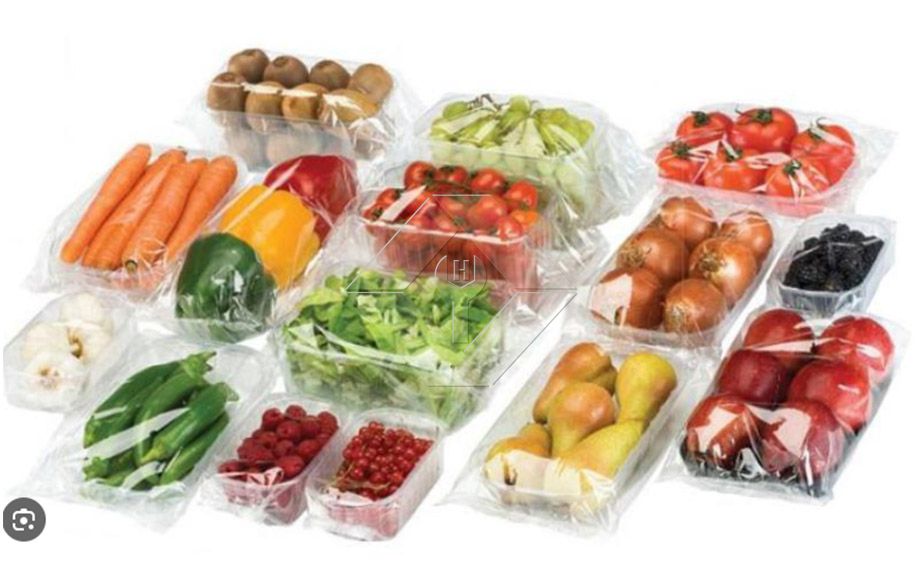
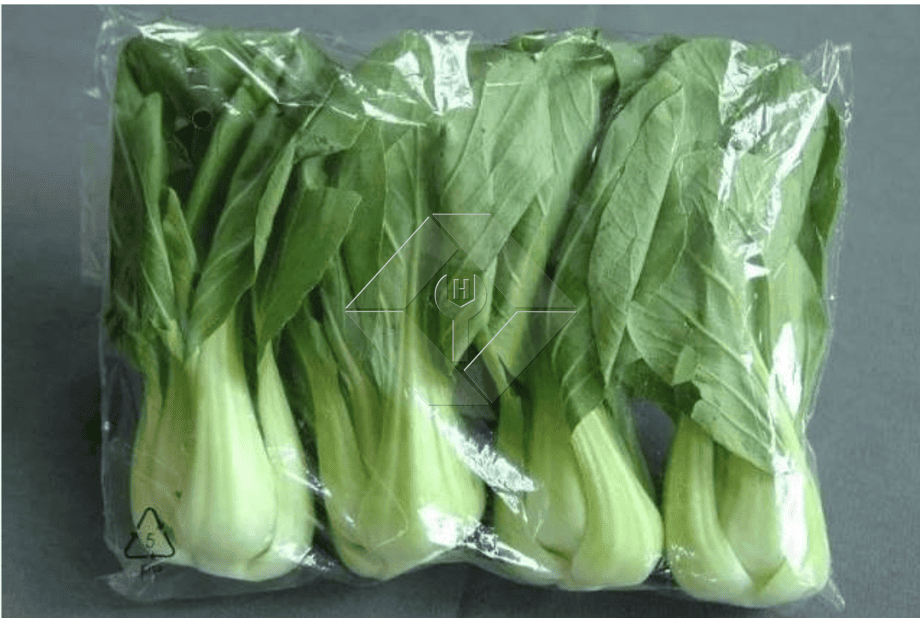
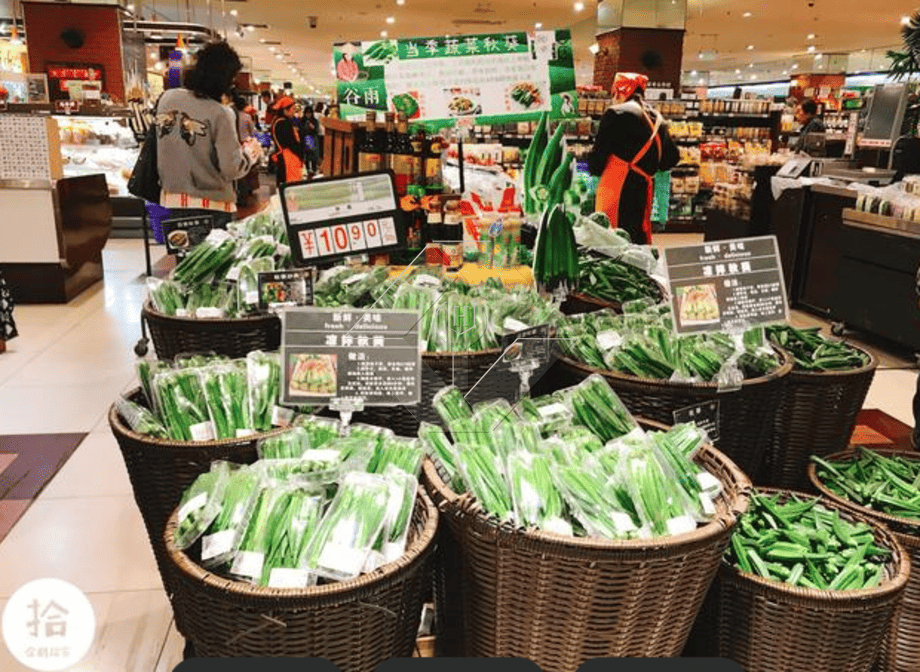
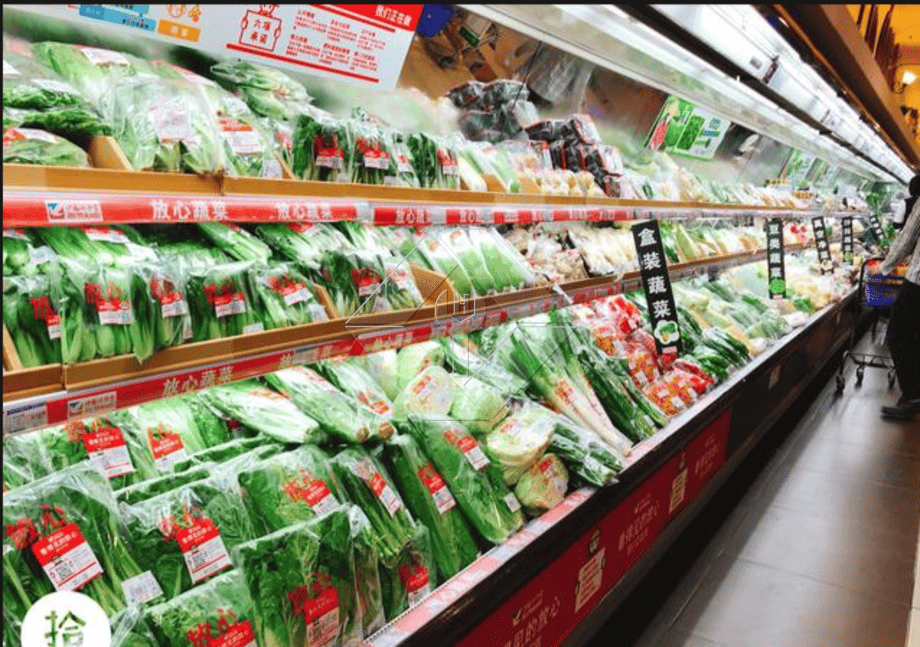
Nowadays, the market has undergone a remarkable transformation. Many supermarkets have launched pre-processed clean vegetables packaged individually or in small portions. These products have been professionally sorted, thoroughly cleaned (often with food-grade cleaning equipment to ensure no residue), and reasonably cut at the source. Consumers only need to take them home and directly put them into cooking, which greatly simplifies the kitchen preparation process and perfectly caters to the fast-paced lifestyle of modern people, whether it is busy office workers, families with young children, or elderly people who are inconvenient to handle ingredients.
From the perspective of industry development, the clean vegetable sector is still in a blue ocean stage with relatively few direct competitors. At present, the market competition is not fierce, and most participants are in the stage of exploring and expanding their own market segments, so the overall competitive pressure is moderate. However, as people’s awareness of food safety and pursuit of quality life continue to deepen, the demand for clean vegetables is showing a steady growth trend—especially the rising popularity of healthy eating concepts such as salads and light meals has further boosted the demand for high-quality, ready-to-eat clean vegetables. It is expected that in the future, this track will continue to attract the attention of capital, with more investment flowing into product research and development, supply chain optimization, and brand promotion.
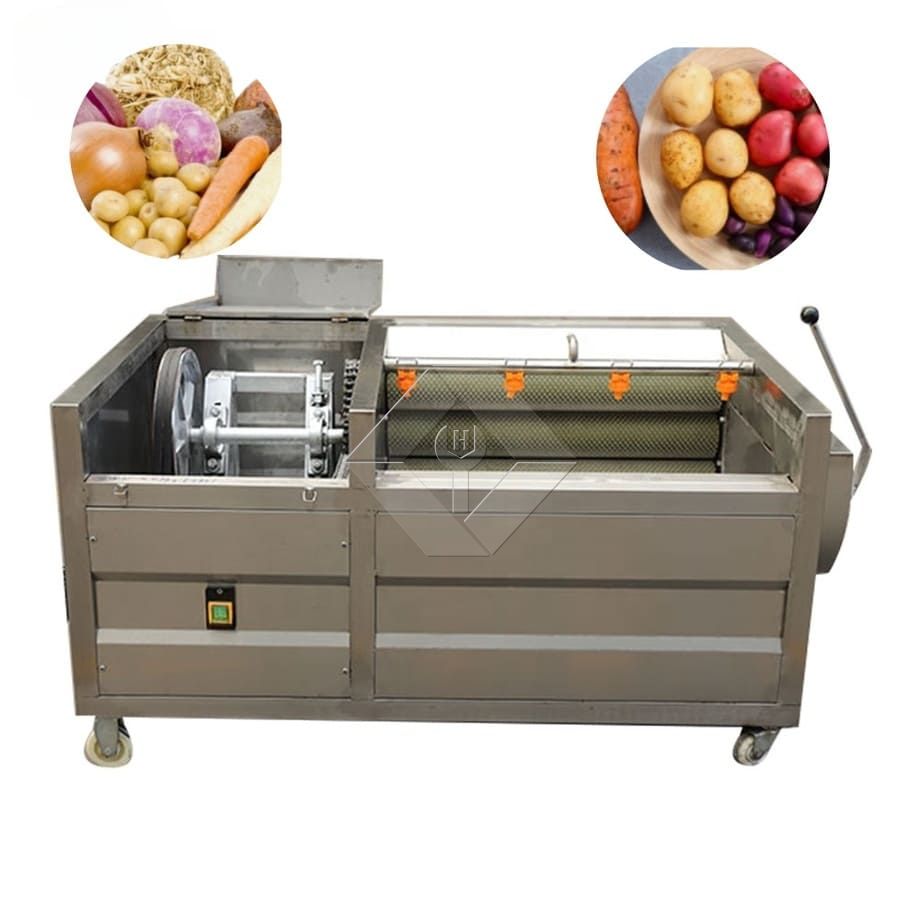
In addition, the continuous innovation and upgrading of clean vegetable processing technology and equipment have laid a solid technical foundation for the sustainable development of the industry. On the one hand, advanced cleaning technologies such as ultrasonic cleaning and food-grade brush roller cleaning (like the dedicated fruit and vegetable brush cleaning machines) have been widely applied, which can not only efficiently remove dirt and residues but also maintain the freshness and integrity of vegetables. On the other hand, the improvement of packaging technology (such as modified atmosphere packaging) and cold chain logistics systems has extended the shelf life of clean vegetables, solved the problem of difficult preservation, and helped products expand their sales radius. With the dual drive of market demand and technological progress, the clean vegetable industry is ushering in broad development prospects.
Applications of Salad Vegetable Processing Line
1. Fruit and Vegetable Pre-Processing Plants
Based on preservation principles and processing technologies, the products of fruit and vegetable pre-processing plants are divided into eight categories: canned products, dry products, sugar products, juice products, pickled products, brewing products, frozen products, and fresh-cut products.
2. Vegetable Transfer Stations
Vegetable transfer stations address the epidemic prevention needs of outbound vehicles while further improving the efficiency of vegetable transportation and delivery.
3. Deep Processing Pre-Processing for Juice and Jam
Specializing in processing berries such as blueberries, blackberries, raspberries, and strawberries, the pre-processing covers products including clear juice, cloudy juice, concentrated juice, and jam.
4. Drying and Freeze-Drying Pre-Processing for Fruits and Vegetables
Through drying or freeze-drying, fruits and vegetables retain their original color and flavor with strong rehydration. This process helps regulate supply and demand and enhances product added value.
5. Supermarket and Restaurant Supply
Fruits and vegetables are washed, cut, dried, and packaged for direct sale in supermarkets or bulk purchase by restaurants for cuisine preparation. Processed salad vegetables can be supplied to vegetable supermarkets, large restaurants, hotels, retail stores, etc.
Components of the Vegetable Salad Production Line
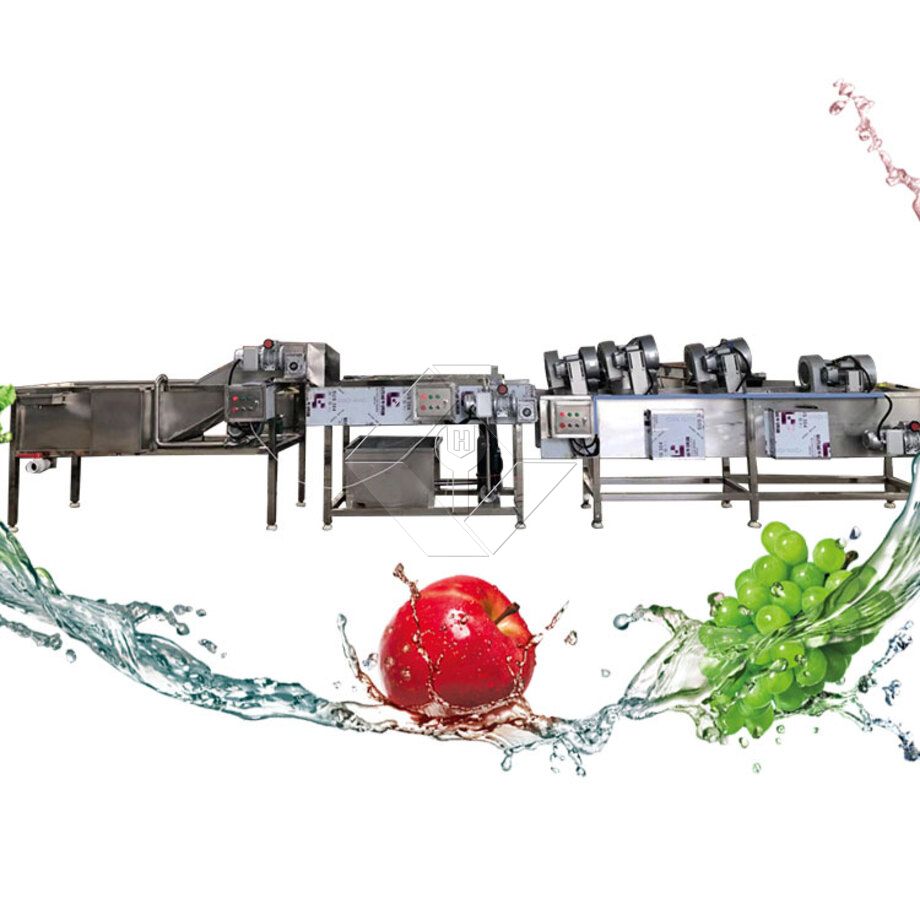
Basic Equipment of Vortex Cleaning Type Leafy Vegetable Processing Line
The basic configuration mainly includes a picking table, automatic vegetable cutting machine, hoist conveyor, vortex cleaning unit, and dewatering machine—this is the standard setup of our factory’s fruit and vegetable deep processing line. We also offer customized packaging equipment based on customer needs, such as salad packaging machines (bag/box type), fresh-cut vegetable vacuum packaging machines, and vegetable shrink wrapping machines.
Picking Conveyor
As the first process of the processing line, the picking and conveying table is essential for fruit and vegetable cleaning and packaging lines. Before slicing, fruits and vegetables undergo simple sorting here to remove spoiled produce, redundant leaves, and other impurities.
Vegetable Cutting Machine
Made of 304 stainless steel, this automatic cutter is suitable for slicing, cutting, dicing, and shredding various root and leafy vegetables. Its replaceable cutting knives allow for processing vegetables into different shapes and sizes.
Hoist Conveyor
Specially designed for lettuce processing plants, this automatic hoist lifts cut vegetables into the vortex washer. The baffle is made of food-grade PE material to avoid contaminating the vegetables.
Vortex Cleaning Unit
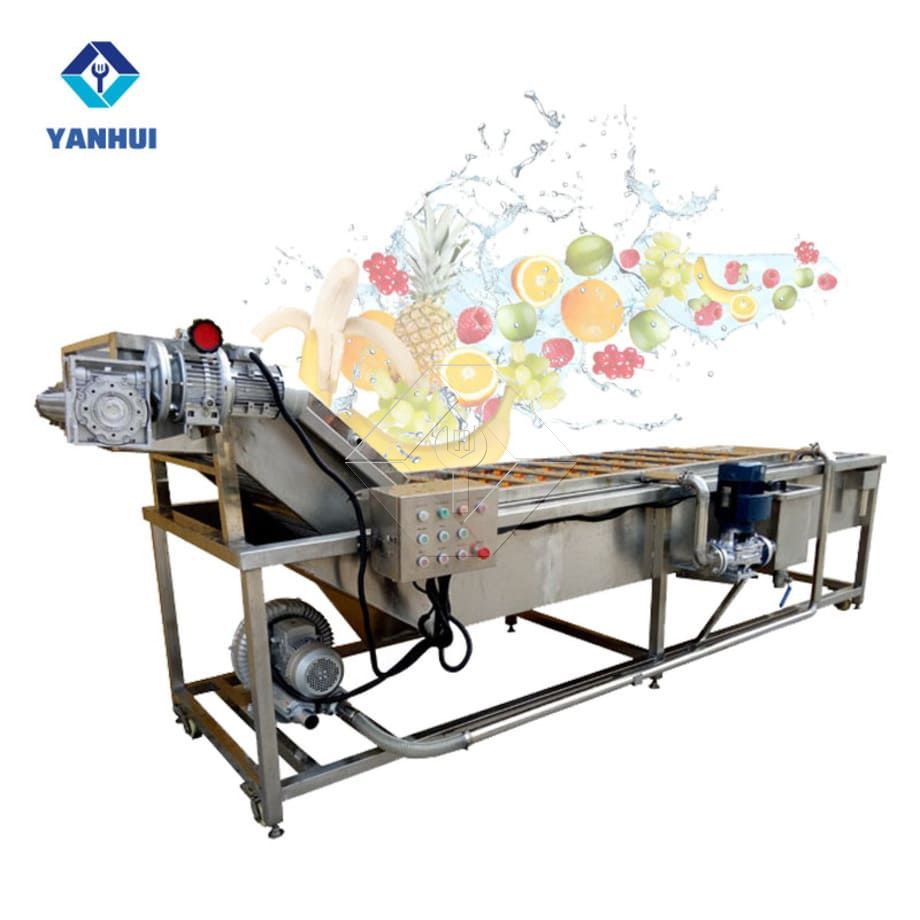
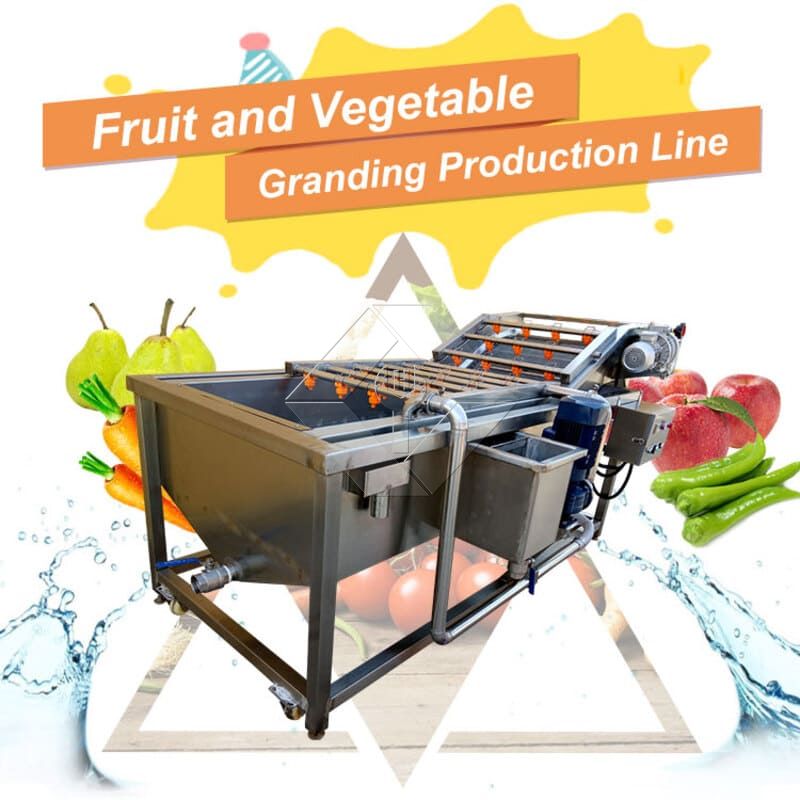
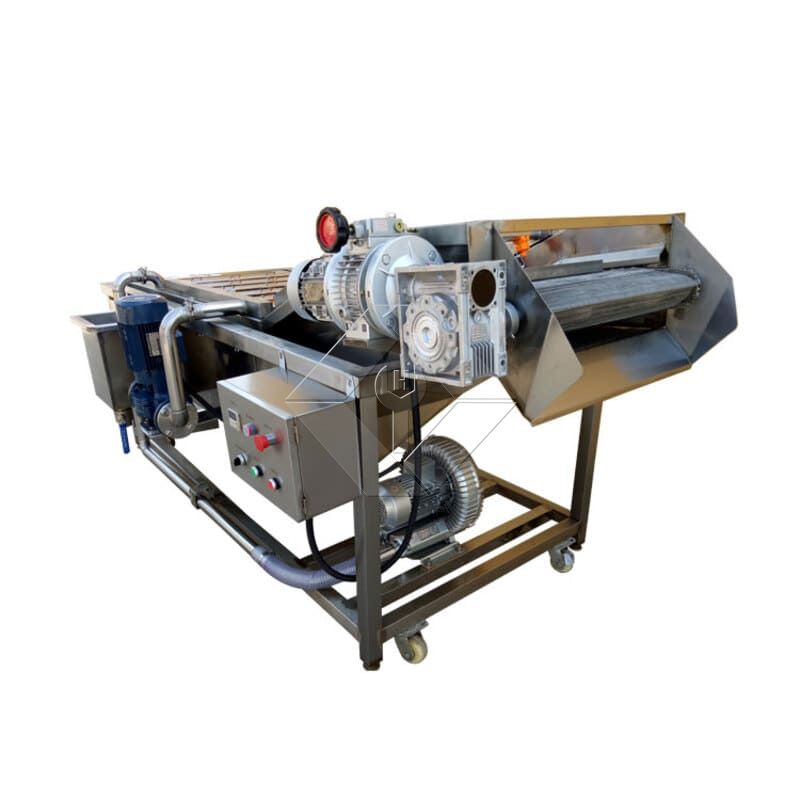
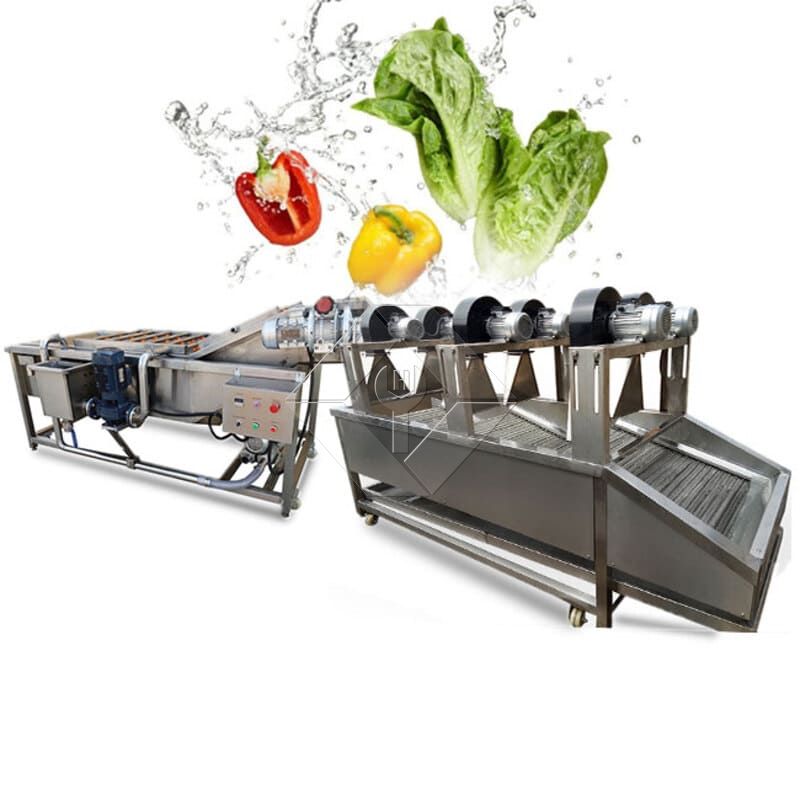
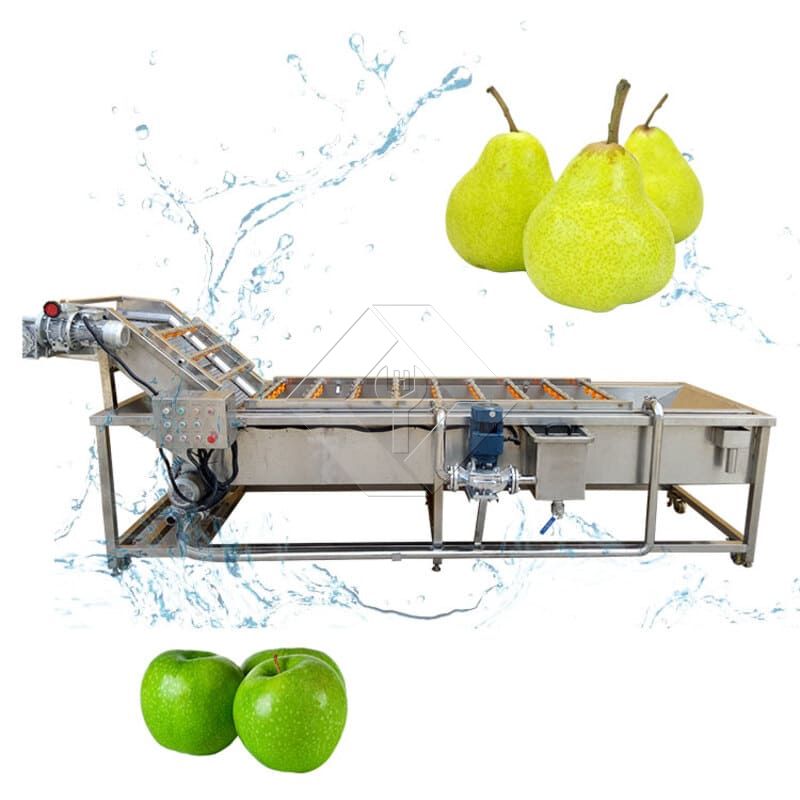
Composed of a vortex washing machine and a vibrating screen, it differs from ordinary bubble washers by featuring a powerful turbine that continuously generates abundant bubbles in the water tank. This makes fresh-cut vegetables tumble in the tank for thorough cleaning. Without a mesh belt, it prevents leafy vegetables from getting stuck.
The water removal vibrating screen at the outlet helps cleaned fruits and vegetables quickly shake off surface water droplets, improving subsequent dewatering efficiency.
Dewatering Machine
This batch-type dewatering machine is used for rapid dewatering of cleaned fruit and vegetable pieces. Its built-in dewatering drum is made of high-quality food-grade PE material—non-contaminating and wear-resistant. Each machine is supplied with 2-3 additional replaceable dewatering drums.
How to Pack the Clean Salad Vegetables?
Vegetable Salad Packaging Solutions & Matching Equipment
Vegetable salad packaging comes in diverse forms to meet different storage, transportation, and sales needs, with the four most common types being bagging, boxing, vacuum packaging, and heat shrink wrapping. Our factory offers one-stop packaging support tailored to customers’ specific requirements: we not only recommend suitable packaging machines and optimize packaging specifications (such as size, weight, and sealing method) but also provide customized packaging appearance designs—including printed logos, ingredient lists, shelf-life prompts, or creative patterns—to enhance product market competitiveness.
Pillow Packaging Machine
Continuous Automatic Weighing Machine
Designed for automated production lines, the continuous automatic weighing machine specializes in precise weight division of fresh-cut salad vegetables. It integrates automatic feeding, dynamic weighing, and quantitative sorting functions, with high weighing accuracy (error ≤±1g) and fast processing speed (up to 60 portions per minute), ensuring consistent weight of each packaged product.
This machine can be seamlessly connected with pillow packaging machines, vacuum packaging machines, or other downstream equipment to form a fully automated production line—eliminating manual weighing errors, reducing labor costs, and significantly improving production efficiency. It is an ideal supporting equipment for large-scale fruit and vegetable processing plants engaged in bulk salad production and supply to supermarkets, catering chains, or food retailers.
Lettuce Salad Processing Plant Video
Who Will Need Vegetable Salad Vortex Washing & Packing Lines?
Based on the statistics of our customers over the past five years, the vegetable salad production lines we provide have been favored by clients from more than 40 countries and regions worldwide. Specifically, our vegetable washing equipment has gained wide recognition, with buyers spanning Egypt, Canada, Turkey, the United Kingdom, the United States, Italy, France, Qatar, Indonesia, Saudi Arabia, Australia, and other countries.
These customers mainly engage in vegetable processing and related businesses, covering a diverse range of fields: frozen vegetable processors, central kitchen facilities, chain supermarkets, vegetable supply and processing plants, salad specialty vendors, and farm-direct vegetable suppliers, etc.
Complete Alfalfa Sprouts Washing & Packing Line Shipped to Australia
Recently, our factory successfully exported a 1t/h alfalfa sprout cleaning line to Australia. The customer purchased this complete production line specifically for cleaning alfalfa sprouts, which are then packaged and supplied to local vegetable supermarkets for sale. Notably, this versatile line is not limited to alfalfa sprouts—it can also be used for processing various similar products such as soybean sprouts, mung bean sprouts, and lettuce with the same efficient cleaning and pre-processing performance.
Machine Parameters of Alfalfa Sprouts Washing Line for Australia
|
Item |
Specifications |
|
Vortex washing machine + vibrate machine |
Model: YH-1000 |
|
Spin dryer |
Model: YH-200 |
|
Duplex 3-head Salad Weigher |
Model: YH-3 |
|
Pillow packing machine |
Model: YH-250 |
|
Remarks:
|
|