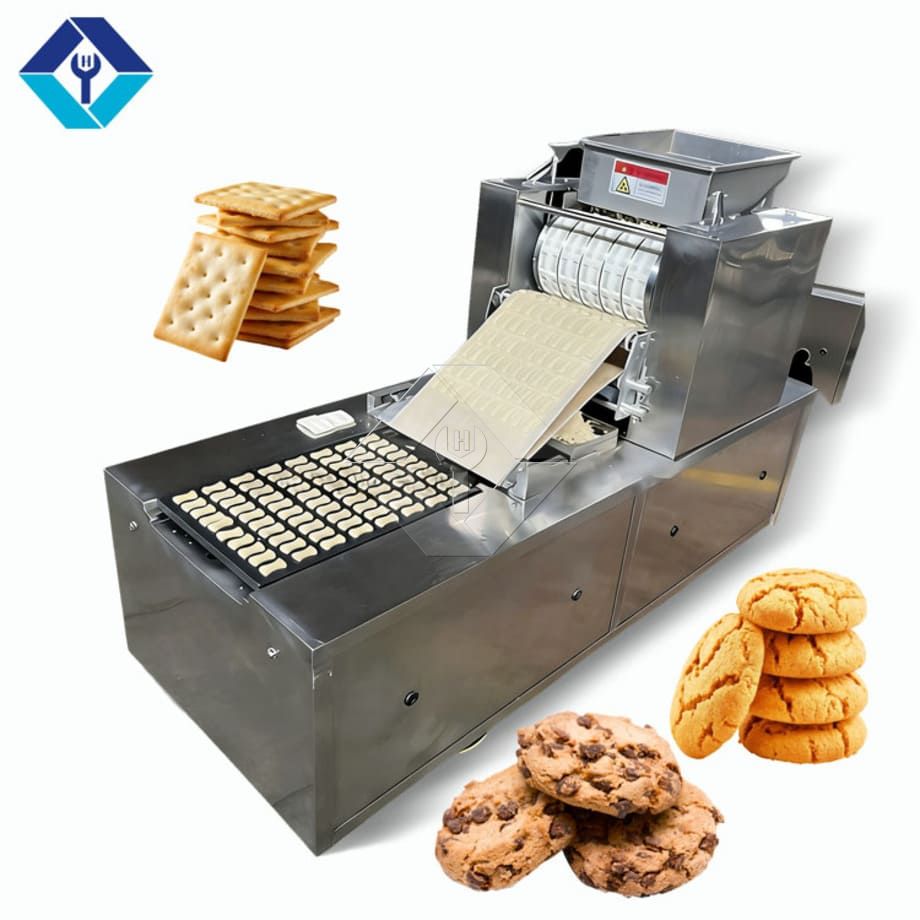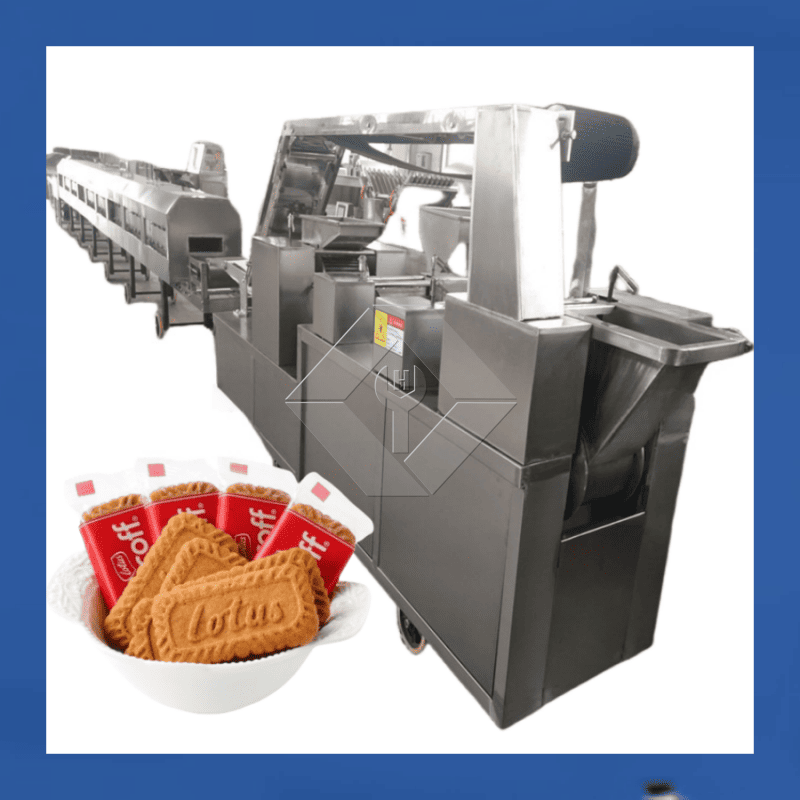
How to Choose a walnut crisp biscuit machine
Jan. 25, 2026
Choosing a walnut crisp biscuit machine requires a comprehensive consideration of factors including equipment performance, production efficiency, product quality and after-sales service. Below is a detailed buying guide to help you make an informed decision:
1. Clarify Production Requirements
Output Scale: Select the model based on daily/monthly output.
- Small-scale (household/workshop): 50-100 kg per hour
- Medium-scale (small and medium-sized factories): 100-300 kg per hour
- Large-scale (industrial production): More than 500 kg per hour
Product Type: Determine if multi-functionality (e.g., adjustable thickness and shape) is needed to produce walnut crisps of different flavors.
2. Core Equipment Parameters
Forming Method:
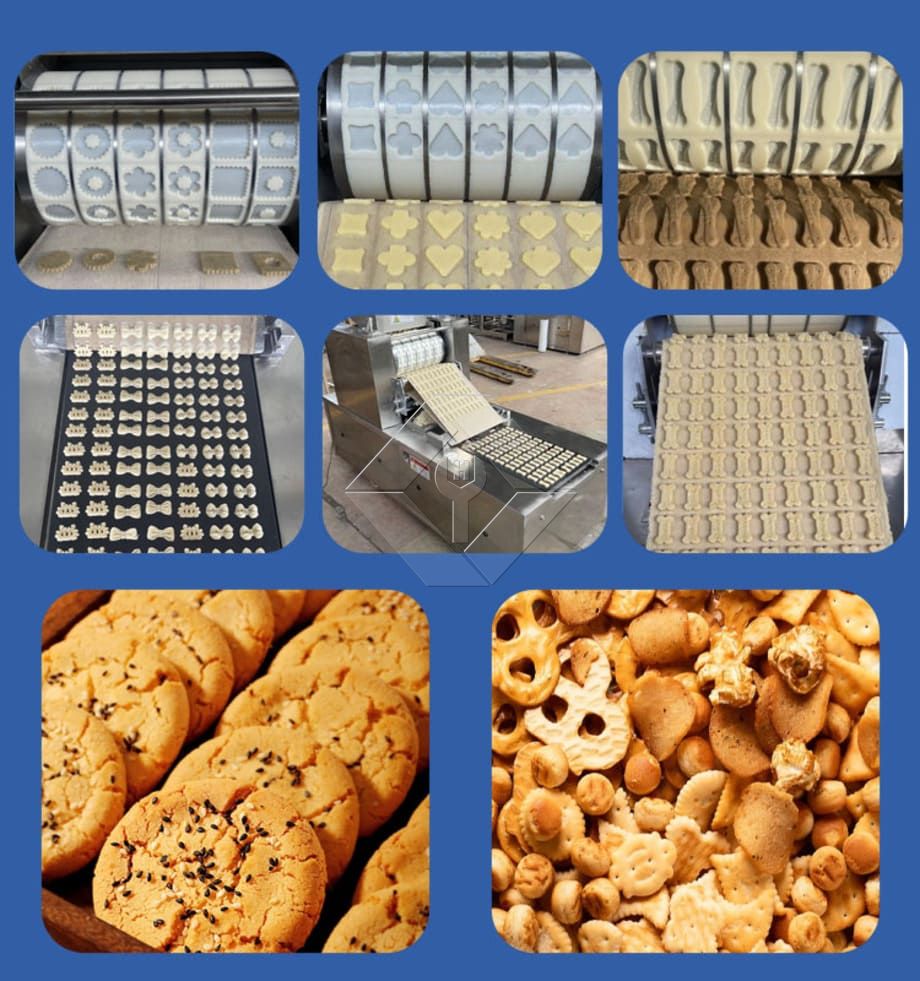
- Mold forming: Ideal for the embossed patterns of traditional walnut crisps. Check the mold material (usually food-grade steel) and ease of replacement.
- Rotary mold forming: Suitable for flat-surfaced biscuits with high efficiency, but may lack the classic texture of walnut crisps.
Heating System:
- Electric heating: Features high temperature control accuracy (±2℃), ideal for temperature-sensitive formulations.
- Gas/fuel heating: Lower energy cost, with attention to temperature stability required.
- Hot air circulation: Ensures even baking and prevents local charring.
Temperature Control Range: The baking temperature for walnut crisps is usually 160-200℃; the equipment must be equipped with precise temperature control function.
Conveyor Belt Material: Food-grade stainless steel (e.g., 304 stainless steel), resistant to high temperature and easy to clean.
3. Level of Automation
- Fully automatic models: Integrate automatic feeding, forming, baking, cooling and stacking, ideal for reducing labor costs.
- Semi-automatic models: Require manual participation in some processes (e.g., tray placement), with a lower price but limited efficiency.
- Intelligent control: PLC touch screen operation with storage for multiple formulation parameters, suitable for multi-variety production.
4. Material & Safety
- Food contact parts: Must comply with GB 4806 (National Food Safety Standard of China) or FDA (U.S. Food and Drug Administration) standards to avoid heavy metal migration.
- Protective design: Equipped with emergency stop button, scald-proof casing, overheat protection, etc.
5. Energy Efficiency & Maintenance
- Energy efficiency label: Prioritize Class 1 energy efficiency equipment for long-term savings on electricity/gas bills.
- Cleaning design: Removable conveyor belt and dead-angle-free structure to reduce oil residue.
- Maintenance cost: Inquire about the price and replacement frequency of wearing parts (e.g., molds, heating tubes).
6. Supplier Evaluation
- After-sales service: Ensure the supplier provides installation and commissioning, operation training, and a 1-2 year warranty.
- Case references: Request to view successful cases of similar customers (e.g., walnut crisp and shortbread manufacturers).
- Test run service: Prioritize manufacturers that offer test runs to verify the actual performance of the equipment.
Related News
Jan. 22, 2026
Jan. 13, 2026
Dec. 09, 2025
Nov. 10, 2025