More Than Just a Baking Workhorse – Break Down the Core Components of the Electric Heating Rotary Oven!
Electric Heating Rotary Oven - Technical Description
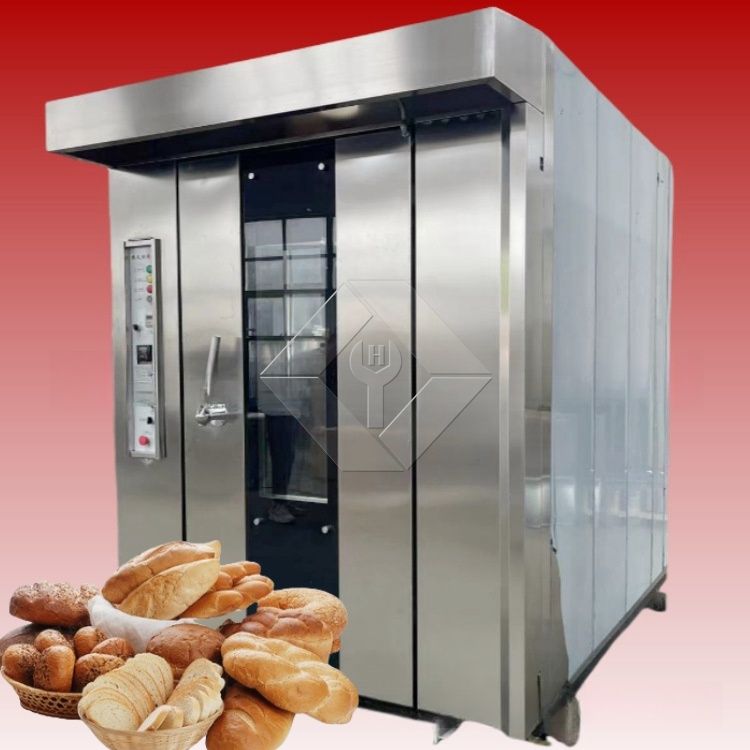
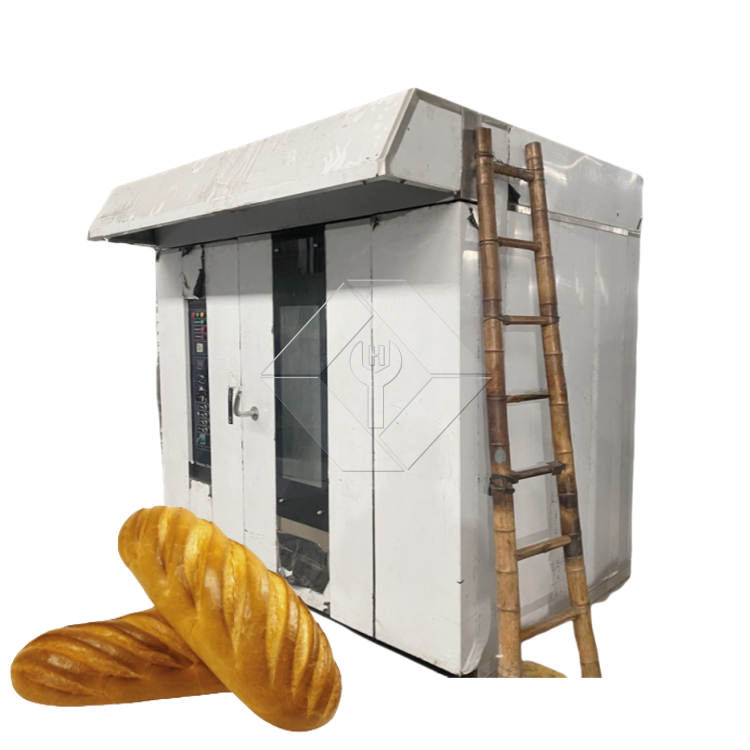
An electric heating rotary oven is a baking device that uses electrical energy as its heat source. It delivers hot air into the furnace chamber via heat exchangers and fans to bake the materials inside. Electrical energy is converted into thermal energy to heat the combustion chamber or heating elements, and the generated high-temperature hot air is forced into the furnace chamber through heat exchangers and fans, ensuring uniform baking of the internal materials. The furnace body features a rotatable design, which enables uniform heat distribution for the materials during baking and improves overall baking efficiency and product quality.
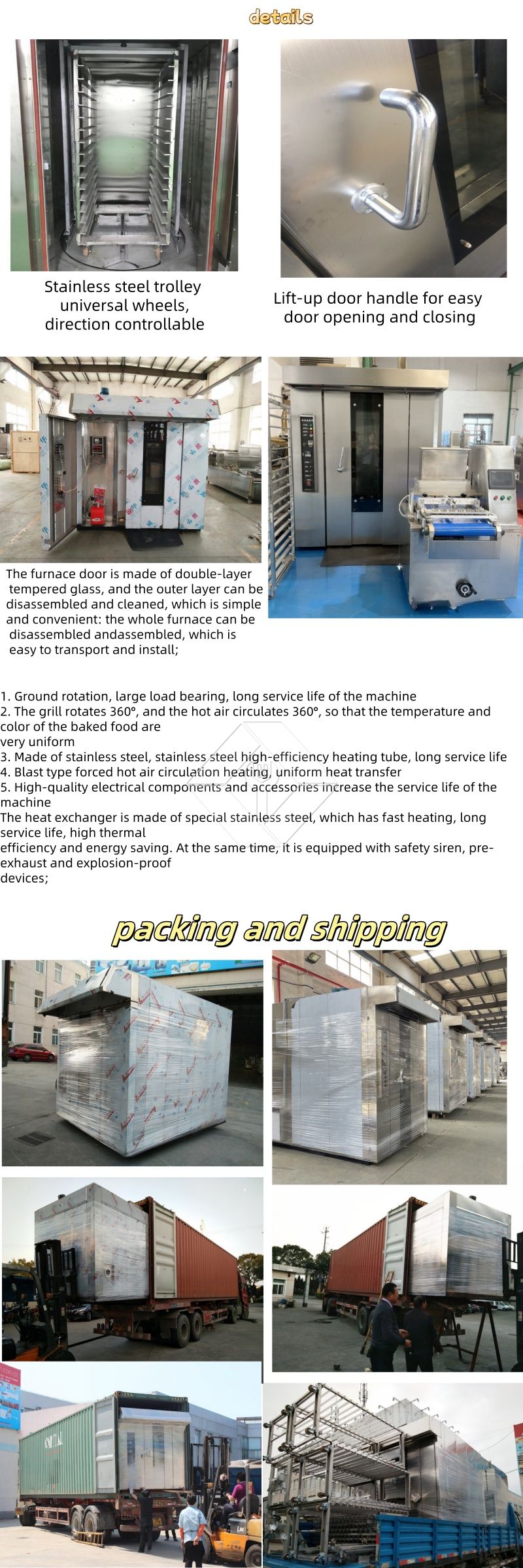
This oven adopts a gear drive structure. A flange is welded at the central position of the furnace body’s bottom and connected via bolts to the flange on the rotary shaft. The rotary shaft is mounted on the central machine base through upper and lower bearings, forming the rotary center of the furnace body. The furnace’s rotation power source consists of a motor, a reducer and a gear drive system. When the motor is activated, the reducer transmits power to the transmission shaft at a specific speed ratio. A gear is installed at the upper end of the transmission shaft and directly meshes with the pin gear at the bottom of the furnace shell to form a gear drive. As the power source drives the gear to rotate, the furnace shell rotates around the central machine base at its bottom as the rotary axis. At this time, the guide wheels supporting the bottom of the furnace shell act as pulleys, minimizing the torque required for the furnace shell’s rotation. A specific transmission ratio is designed for each transmission section to ensure the furnace shell rotates at a fixed speed, and a frequency converter is used to adjust the motor to the required rotating speed as needed.
The core components and their functions of the electric heating rotary oven are as follows:
1. Furnace Body Structure
Outer Shell
Typically made of stainless steel or carbon steel, it provides structural support and thermal insulation protection. The inner surface may be lined with high-temperature resistant thermal insulation materials (e.g., ceramic fiber) to reduce heat loss.
Inner Liner
A container in direct contact with materials, made of high-temperature and corrosion resistant materials (e.g., stainless steel or special alloys). Its shape (e.g., cylindrical, conical) is customized according to process requirements.
Rotary Mechanism
- Drive Unit: A motor or speed reducer that drives the inner liner to rotate via gears, chains or belts.
- Support Structure: Rollers, bearings or pallets that ensure stable rotation of the inner liner and reduce friction.
- Rotary Speed Control: A frequency converter or speed regulator that adjusts the rotating speed based on material characteristics (e.g., low speed to prevent material breakage, high speed to enhance uniform heating).
2. Electric Heating System
Heating Elements
- Resistance Wire/Ribbon: Commonly used for low-temperature heating (e.g., food baking), generating Joule heat through electric current.
- Infrared Heating Tube: Heats the material surface directly via infrared radiation, suitable for rapid heating or surface drying.
- Electromagnetic Induction Heating: Generates eddy current heating in the metal inner liner through an electromagnetic field, featuring high efficiency and uniform heating.
Temperature Control
- Temperature Sensor: A thermocouple or thermal resistor that monitors the furnace temperature in real time.
- Temperature Control Instrument: A PID controller or intelligent temperature control system that automatically adjusts heating power according to the set temperature.
- Overheat Protection: A fuse or temperature limiter that prevents equipment damage or potential safety hazards caused by excessive temperature.
3. Ventilation and Exhaust System
- Circulation Fan: Promotes hot air circulation inside the furnace to ensure temperature uniformity, especially for large-scale furnaces.
- Exhaust Port: Expels steam, smoke or hazardous gases generated during heating; may be equipped with filtration devices (e.g., activated carbon filters) to purify exhaust gases.
- Air Inlet: Supplements fresh air to maintain internal pressure balance. For equipment requiring inert gas protection, the air inlet can be connected to nitrogen or argon gas sources.
4. Control System
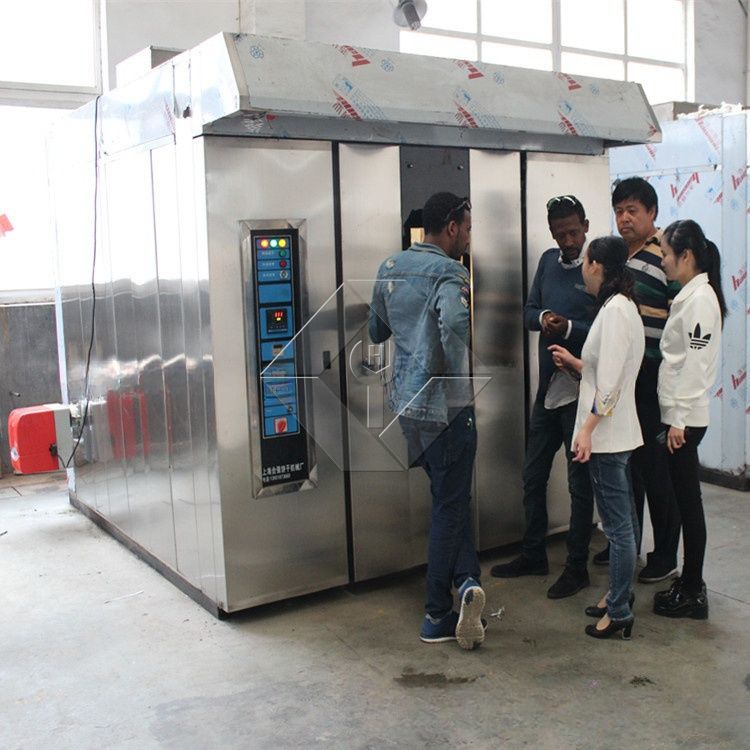
- Operation Panel: A touch screen or button-type interface for setting parameters such as temperature, time and rotating speed.
- PLC/Single-Chip Microcomputer: The core control unit that enables automatic program control (e.g., stage-by-stage temperature rise, timed rotation).
- Safety Interlock: Includes door lock switches and emergency stop buttons to ensure operational safety (e.g., automatic stop of heating and rotation when the furnace door is opened).
5. Auxiliary Components
- Observation Window: High-temperature resistant glass or a camera for real-time monitoring of material status.
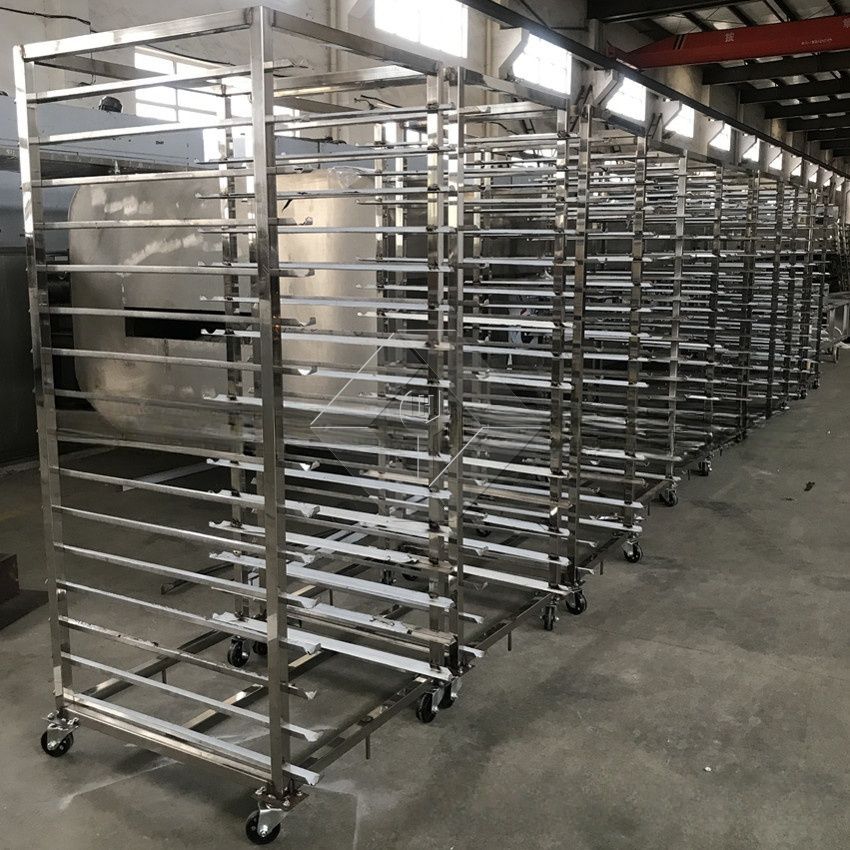
- Material Loading and Unloading Device: Such as tracks, trolleys or robotic arms, facilitating batch loading and unloading of materials.
- Cooling System: A water or air cooling device that rapidly cools the furnace body, suitable for processes requiring quick cooling.
- Data Recording and Transmission: High-end models are equipped with a data acquisition module that records parameters such as temperature curves and operation time, and supports remote monitoring.
6. Safety and Protection
- Insulation Materials: Prevent electric leakage and ensure operational safety.
- Grounding Device: Avoid electrostatic accumulation and electrical faults.
- Explosion-Proof Design: For use with flammable and explosive materials, equipped with explosion-proof motors and sealed structures.